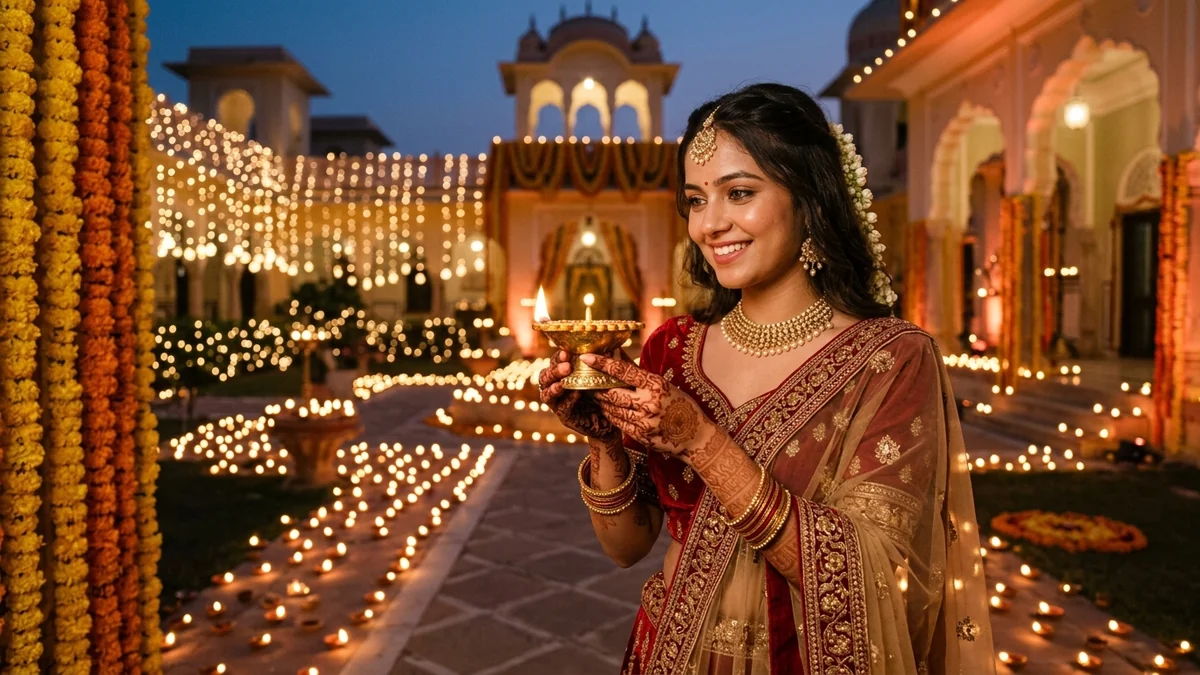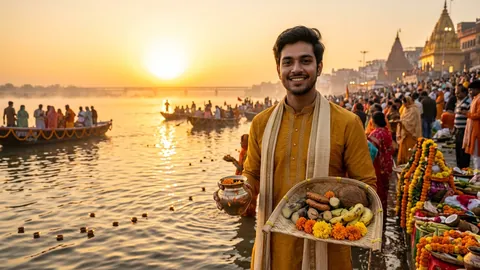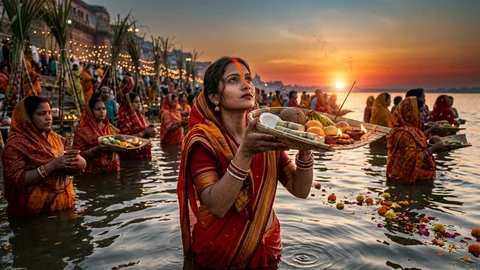
Maha Ashtami and Maha Navami mark the spiritual pinnacle of Shardiya Navratri, where the sacred ritual of Kanya Pujan (affectionately celebrated as Kanjak Puja across North India) transforms every home into a sanctuary of divine feminine energy. Devotees warmly welcome nine young girls representing the cosmic manifestations of Maa Durga (Navadurga), revering their untainted innocence with fragrant floral water, vibrant red chunaris, and auspicious chandan-alta tilak.
Capturing this heartfelt cultural heritage through traditional studio photography can often prove challenging with energetic toddlers, but generative artificial intelligence now empowers parents and creators to craft pristine, devotional portraits with breathtaking photorealism. With our rigorously tested durga ashtami kanya pujan photoshoot prompts, you can instantly generate lifelike festive scenes on Google Gemini, ChatGPT Plus, Midjourney v6.1, and FLUX.1 while preserving 100% of authentic Indian skin tones, natural lighting nuances, and intricate gota-patti textures.
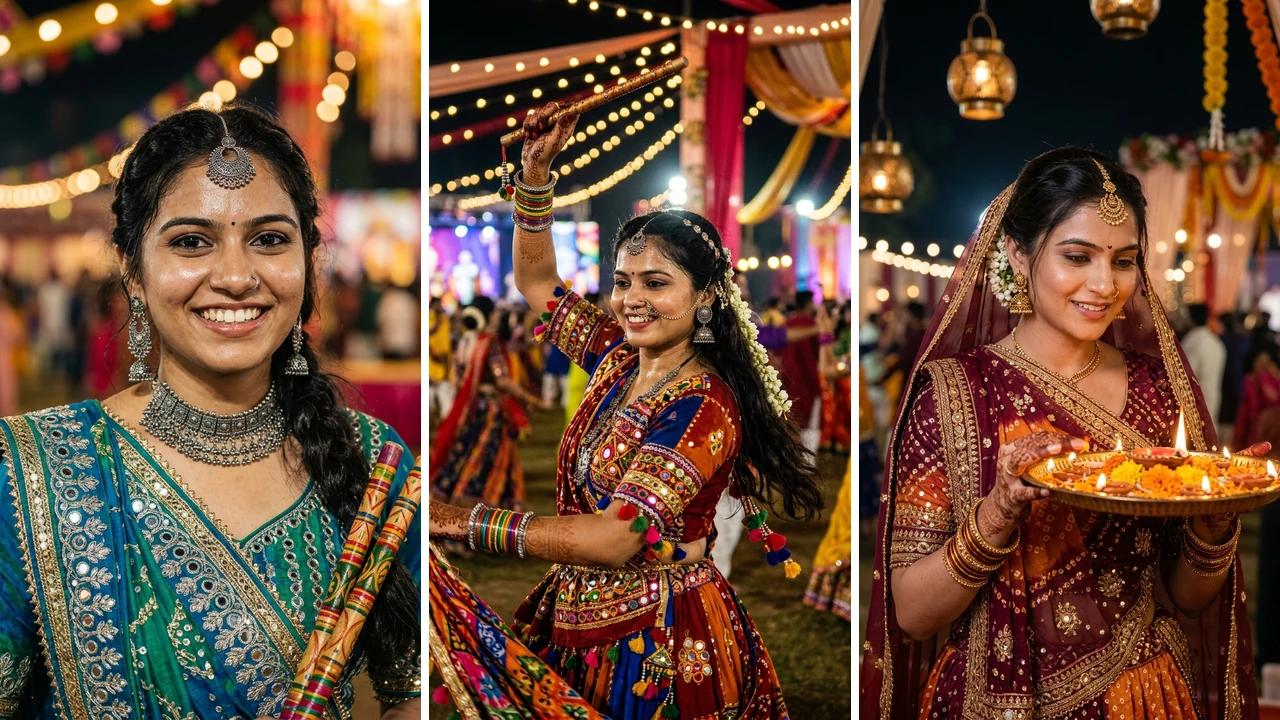
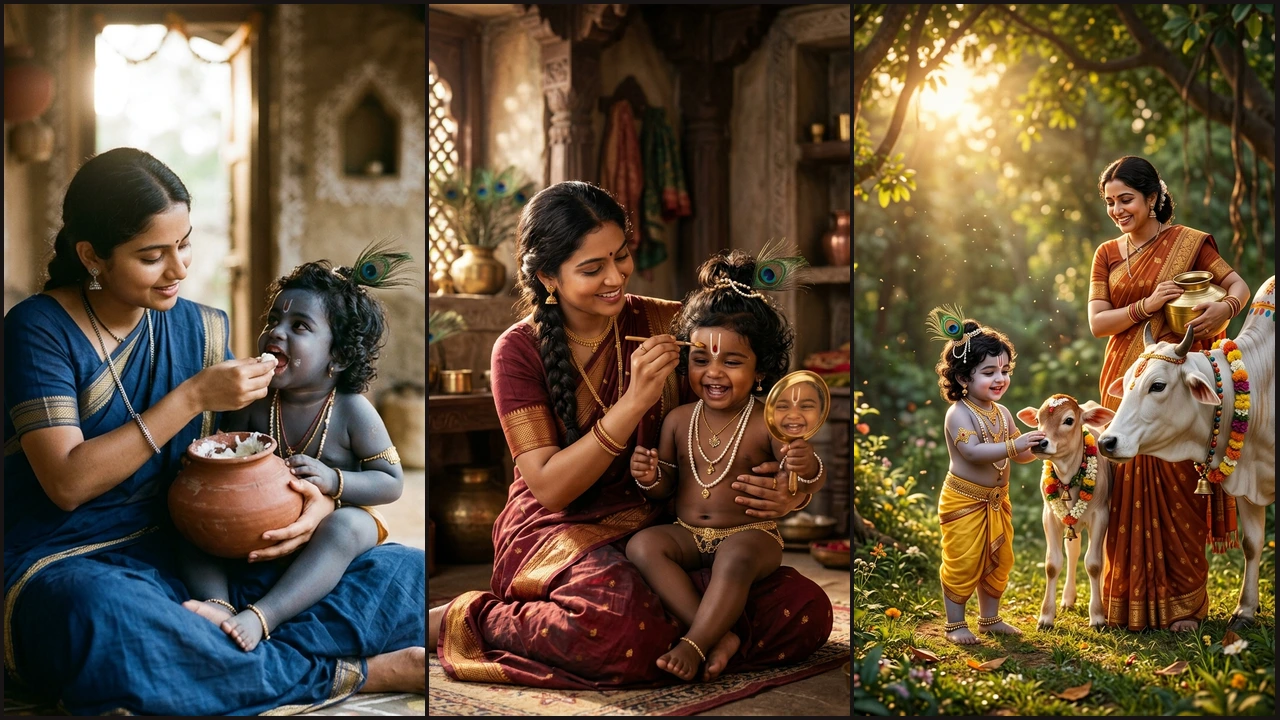
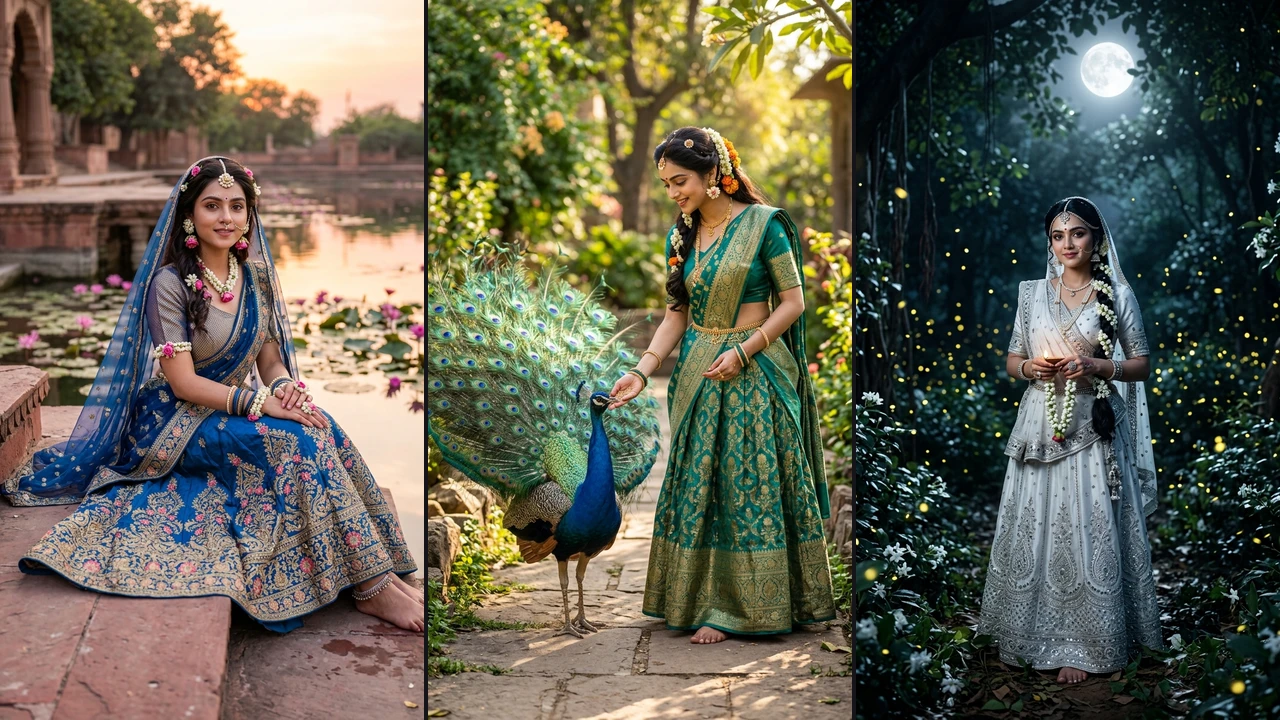
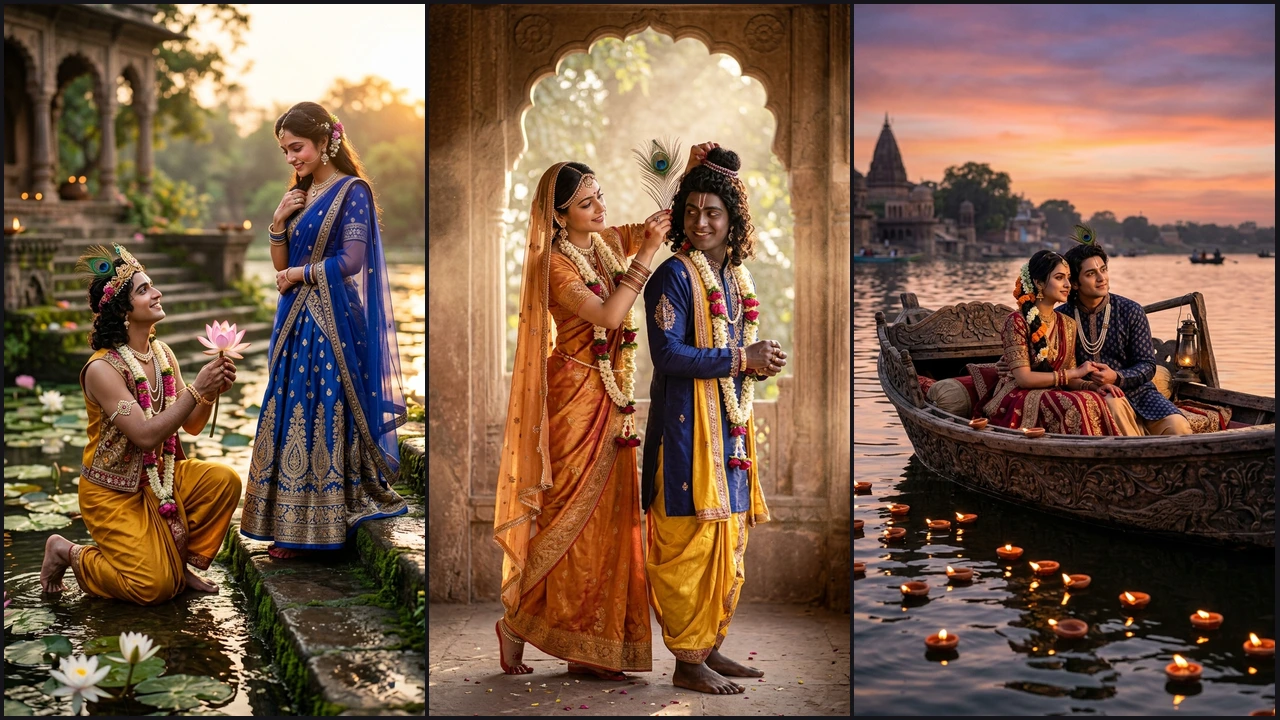
Explore our curated collection of 12+ divine Kanya Pujan photoshoot prompts (2026) below. Use the instant Copy Prompt and View Prompt buttons or launch directly into ChatGPT, Gemini, or Grok in one tap. Also explore our related festival guides: Garba Prompt for Gemini Girl, Baby Krishna with Mother Yashoda Prompt, and Gemini Radha Rani Prompt.
- 1. Washing Little Kanya's Lotus Feet (Charan Dhulai Ritual)
- 2. Applying Auspicious Alta & Sandalwood Tilak
- 3. Offering Traditional Bhog: Puri, Kale Chana & Sooji Halwa
- 4. Tying Sacred Raksha Sutra (Mauli & Kalava)
- 5. Draping Mata Ki Chunri Over Little Kanya's Head
- 6. Touching Feet for Divine Blessings (Charan Sparsh)
- 7. Kanya Aarti with Glowing Brass Diya Thali
- 8. Joyful Kanjak Gift Distribution (Bangles & Toys)
- 9. Editorial Little Durga Avatar Portrait (Bal Devi Look)
- 10. Outdoor Courtyard Kanya Pujan in Heritage Haveli
- 11. Holding Sacred Brass Kalash with Coconut & Mango Leaves
- 12. Pure Childhood Joy: Sharing Kanjak Treats & Boondi
- Prompt Engineering Secrets for Kanya Pujan & Child Realism
- Lighting, Aperture & Color Palettes for Festive Portraits
- Model Comparison: Gemini vs FLUX.1 vs Midjourney vs ChatGPT
- Frequently Asked Questions (FAQ)
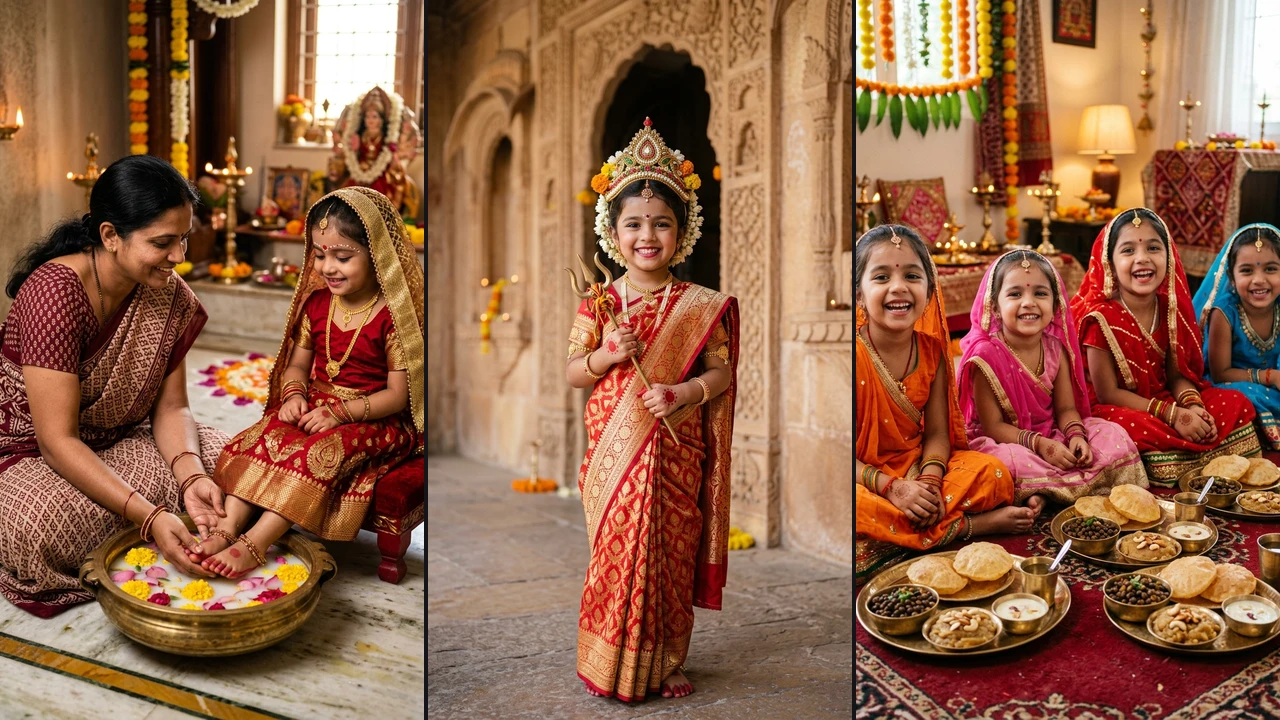
1. Washing Little Kanya's Lotus Feet (Charan Dhulai Ritual)
The foundational ritual of Kanya Pujan. Devotees tenderly washing the feet of young girls in a fragrant floral water urli bowl to welcome Maa Durga into the home.
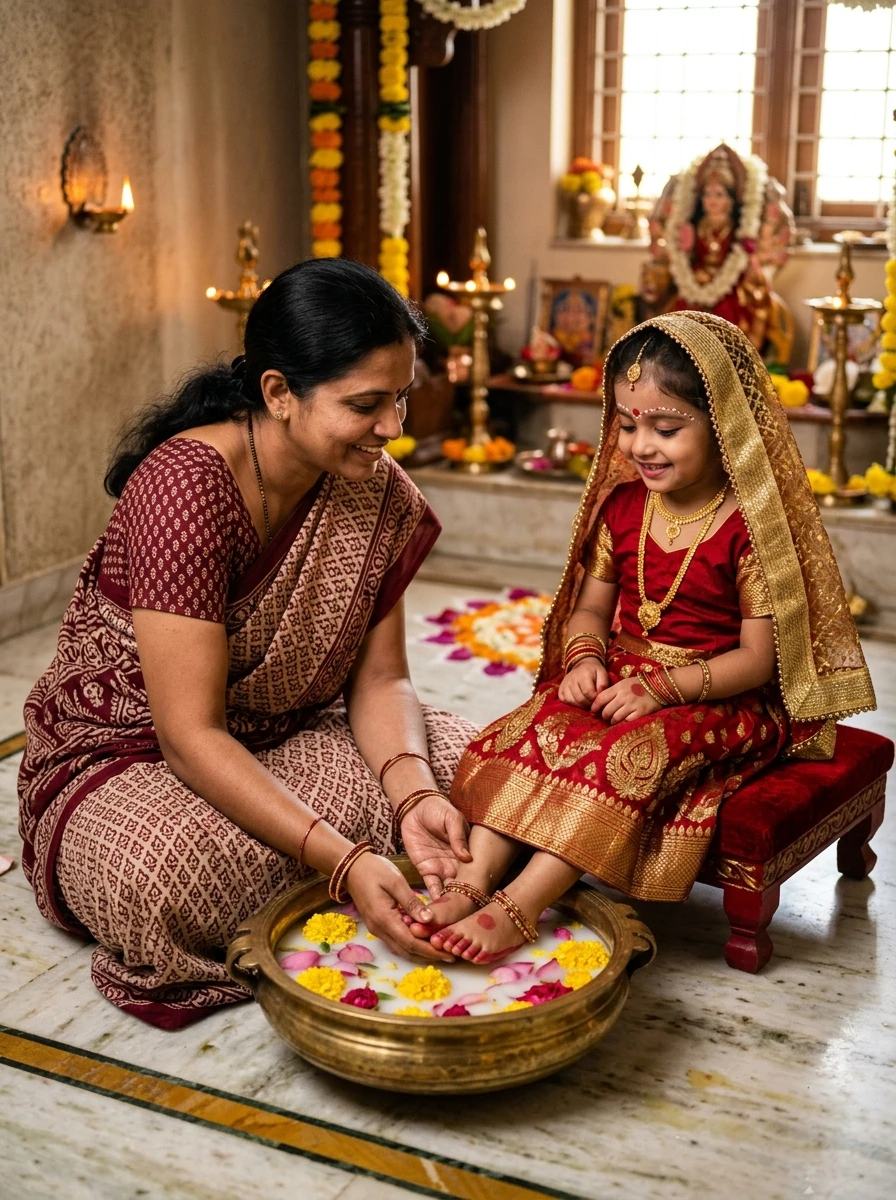
The Charan Dhulai (feet washing) ritual is the cornerstone of Kanya Pujan, representing deep humility and reverence toward the living goddess. Notice how the wide brass urli bowl, floating pink lotuses, and natural morning light illuminate the child's face with pristine devotional grace without harsh artificial shadows.
2. Applying Auspicious Alta & Sandalwood Tilak
Delicate ritual shringar. The sacred red alta on small feet and auspicious sandalwood dots across the child's forehead.
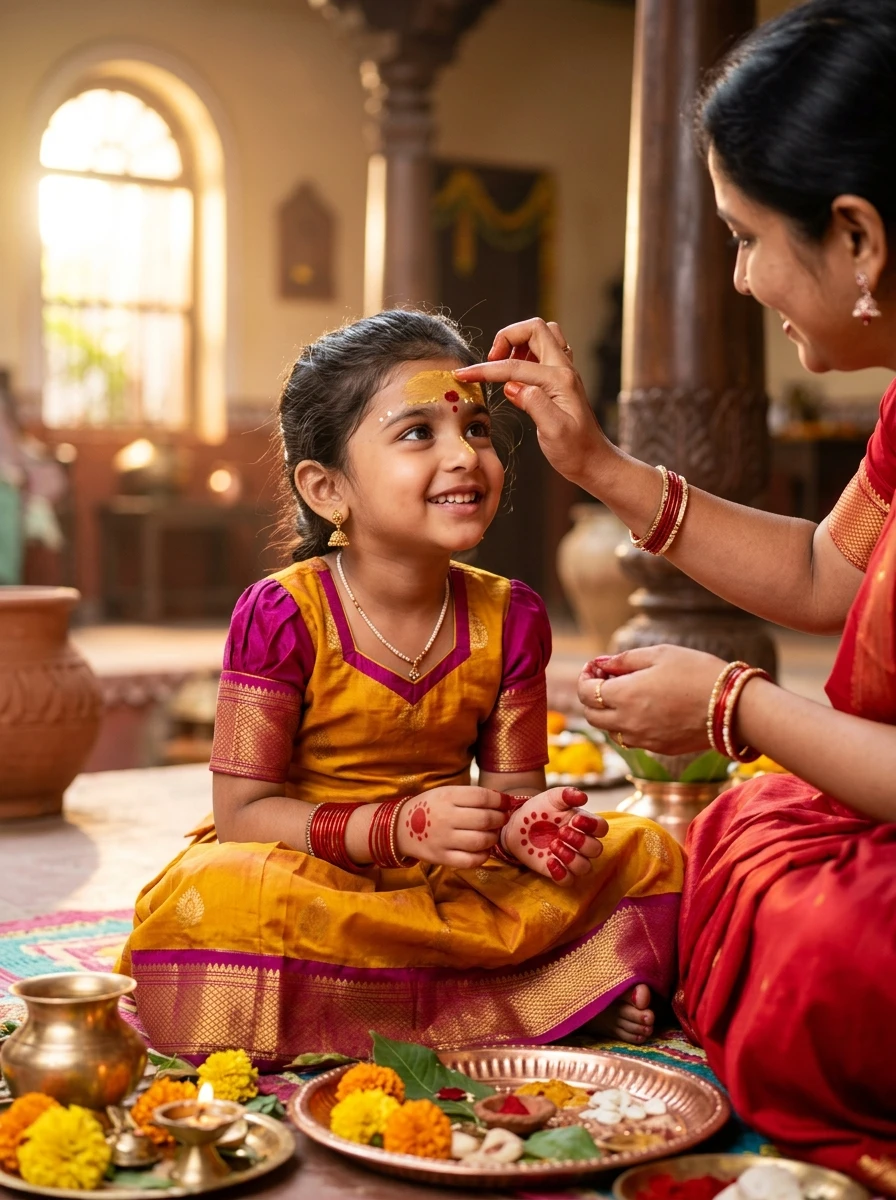
This macro close-up prompt prioritizes fine textural details: the powdery red kumkum, creamy sandalwood dots across the brows, and the liquid crimson sheen of alta. Perfect for depth effect smartphone wallpapers and high-resolution festive greetings.
3. Offering Traditional Bhog: Puri, Kale Chana & Sooji Halwa
The traditional festive feast. Golden puffed puris, savory black chickpeas, and rich ghee halwa served on embossed brass thalis.
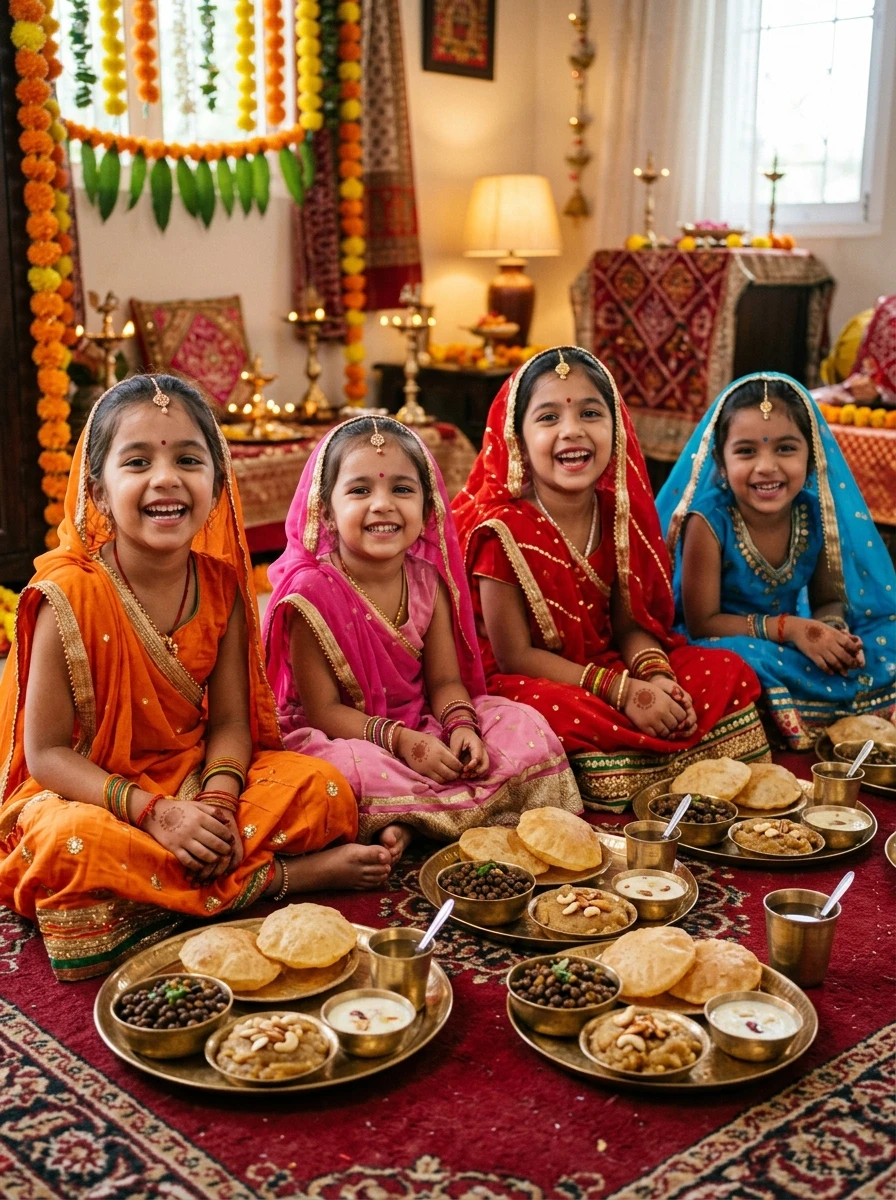
Serving the consecrated Prasad is central to Kanjak day. The prompt explicitly specifies the trio of hot fluffy puris, kale chana, and semolina halwa inside embossed brass thalis, capturing the authentic domestic warmth of North Indian households.
4. Tying Sacred Raksha Sutra (Mauli & Kalava)
A bond of divine protection. An elderly grandmother tenderly tying a sacred red-and-yellow thread around the child's wrist.
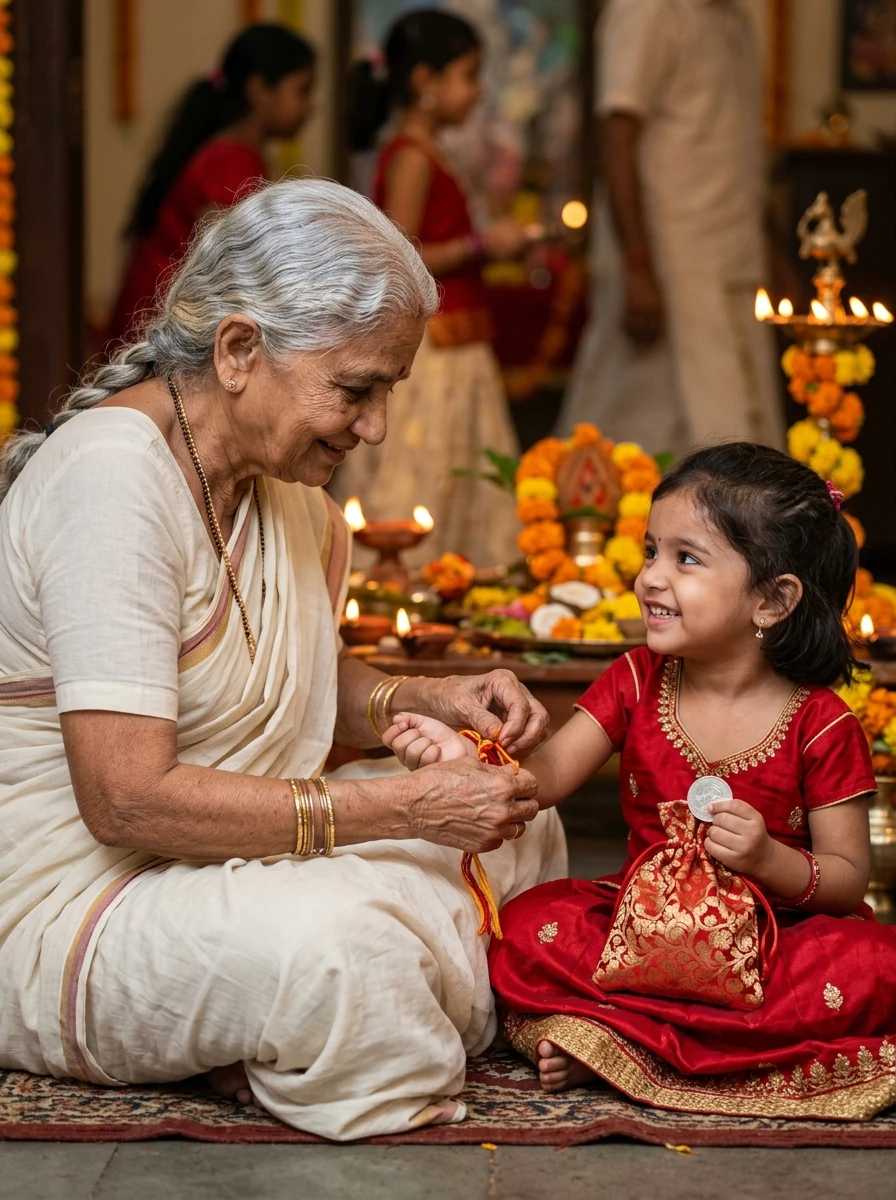
Generational tenderness creates immense emotional resonance. The weathered, experienced hands of the grandmother contrasted against the baby-soft skin and curious eyes of the child create an award-winning human storytelling composition.
5. Draping Mata Ki Chunri Over Little Kanya's Head
The sacred veil of the Goddess. Golden gota-kinari borders shimmering in early morning sunlight.
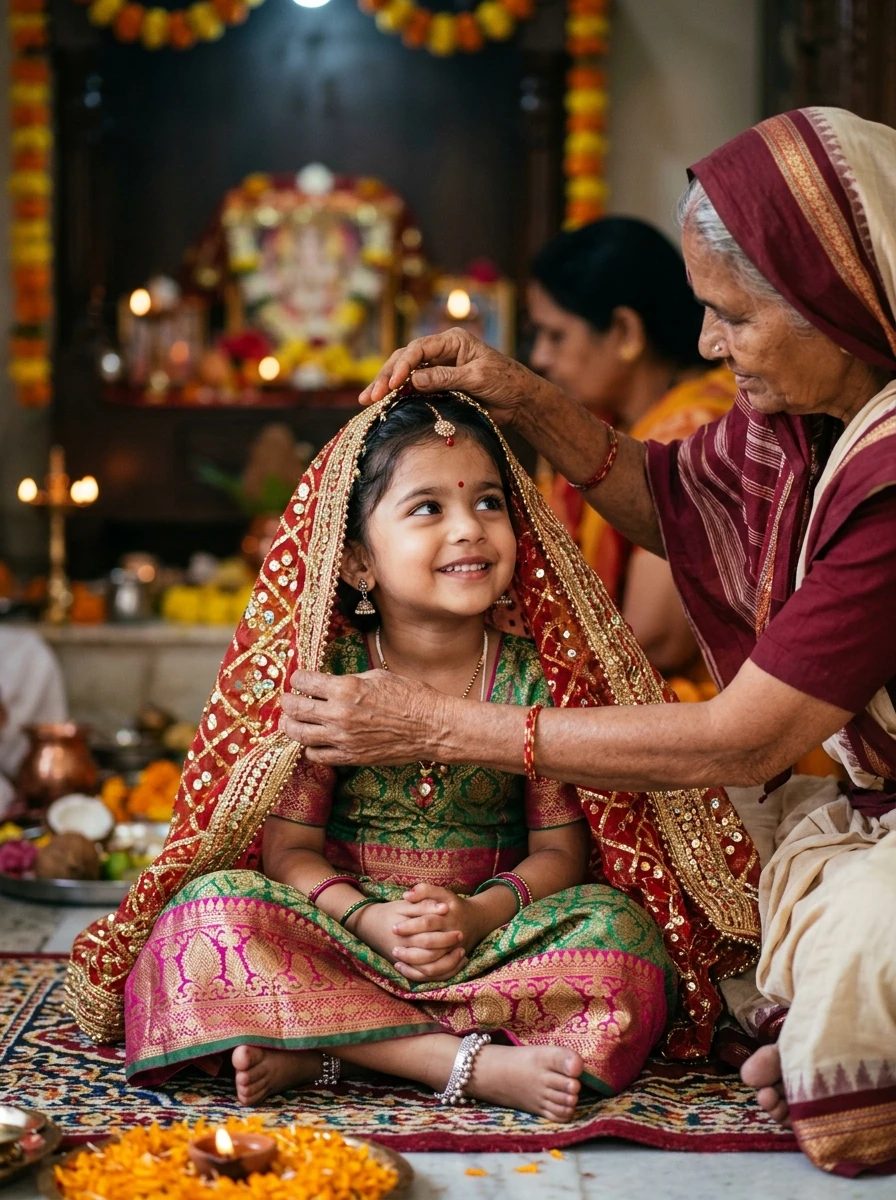
The red chunari decorated with golden kinari ribbon is the sacred emblem of Goddess Durga. In this prompt, backlighting creates rim illumination along the sheer chiffon folds while highlighting the intricate metallic sequin sparkles.
6. Touching Feet for Divine Blessings (Charan Sparsh)
The ultimate reverence. Family members bowing humbly to touch the feet of the living manifestation of the Goddess.
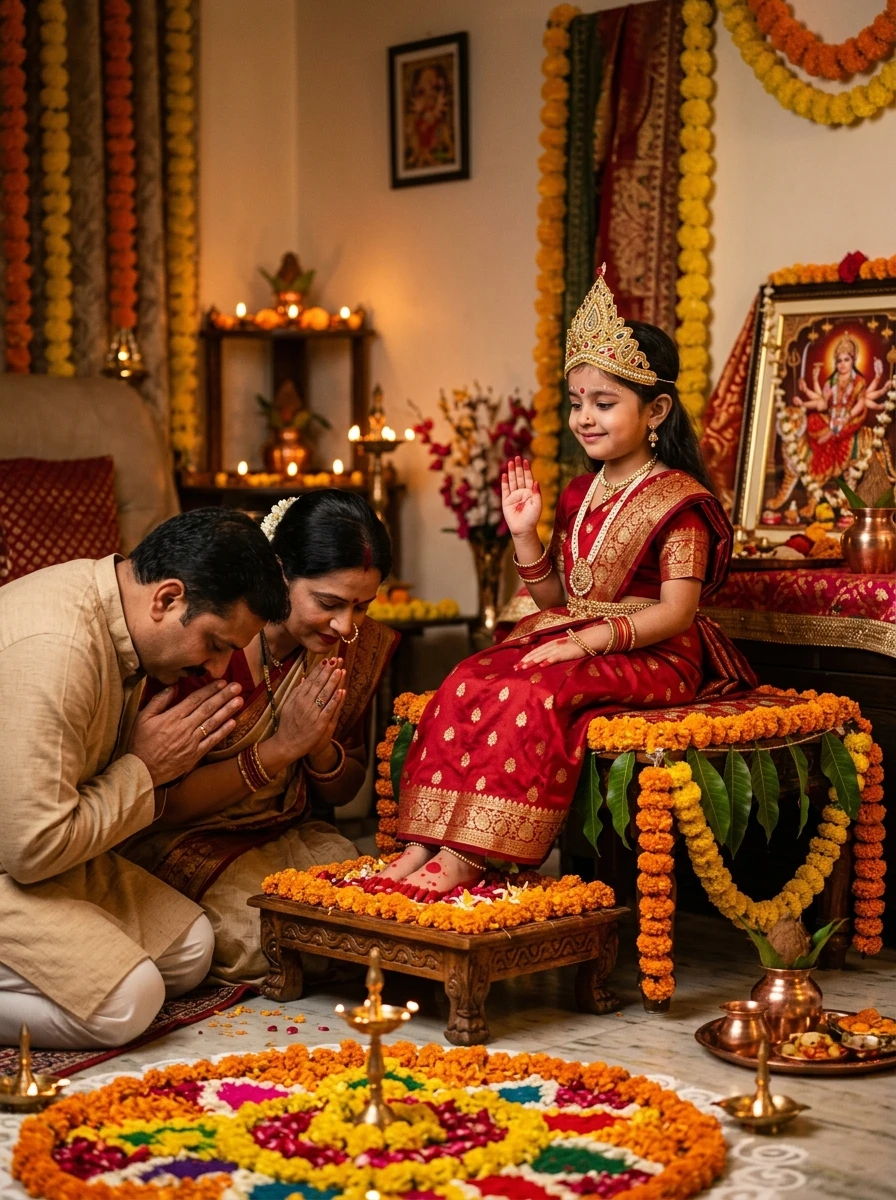
Charan Sparsh captures the philosophical core of Sanatan Dharma: recognizing divinity in feminine innocence. The composition uses a low-angle perspective, emphasizing the gentle Abhaya Mudra gesture of the young girl while preserving authentic skin tones.
7. Kanya Aarti with Glowing Brass Diya Thali
Sacred camphor flames and warm glowing light. Mother performing aarti for the nine divine kanjaks.
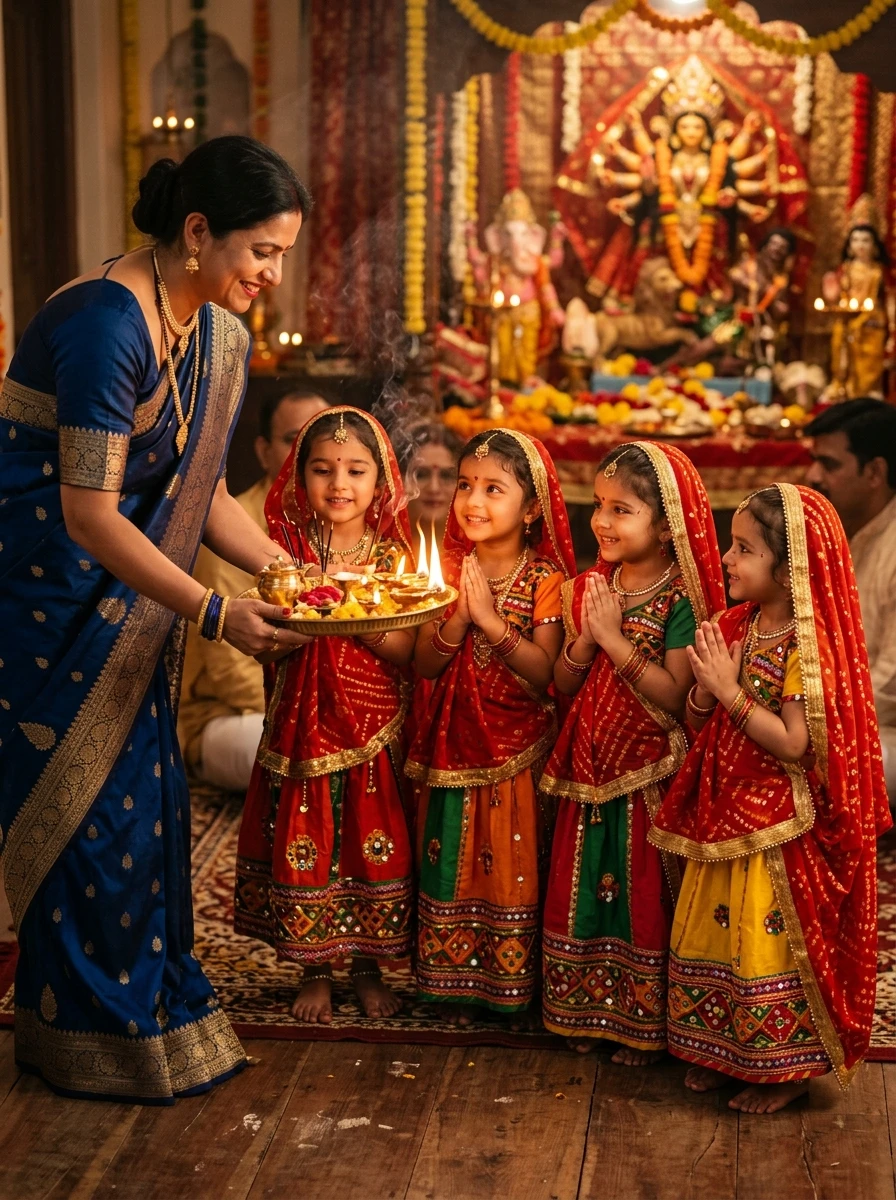
Candlelight and camphor flames render organic, warm chiaroscuro skin tones. The subtle curling wisps of dhoop incense smoke add rich atmospheric depth that makes the photo look like a shot from an award-winning Indian documentary film.
8. Joyful Kanjak Gift Distribution (Bangles & Toys)
Childhood delight. Glittering red glass bangles, hair ribbons, and colorful gift pouches being gifted to happy girls.
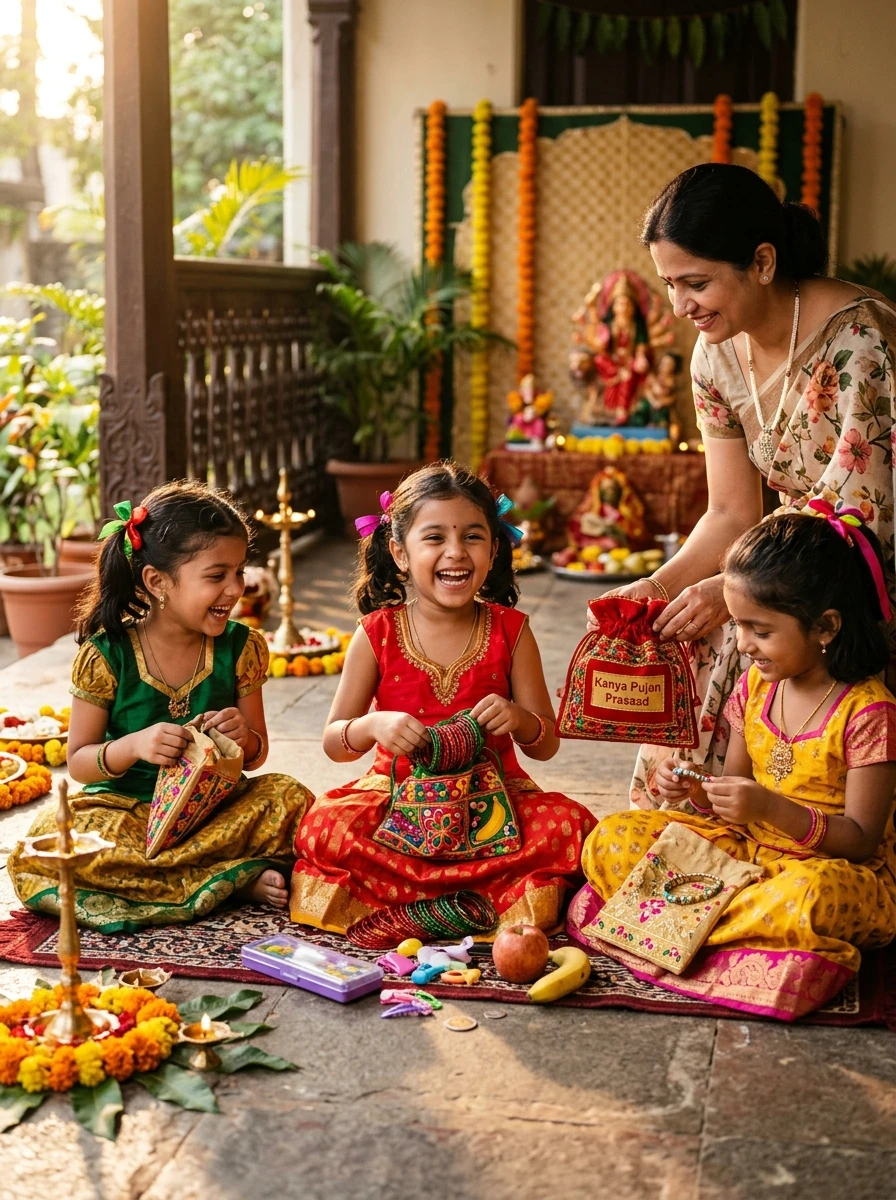
Nothing matches the spontaneous delight of children discovering gifts on Kanjak morning. Specifying authentic items like red glass bangles, stationery boxes, and velvet gift pouches prevents generic corporate gift props.
9. Editorial Little Durga Avatar Portrait (Bal Devi Look)
Regal studio fine-art. A toddler styled as Bal Durga with miniature brass trident, royal mukut, and Banarasi silk drape.
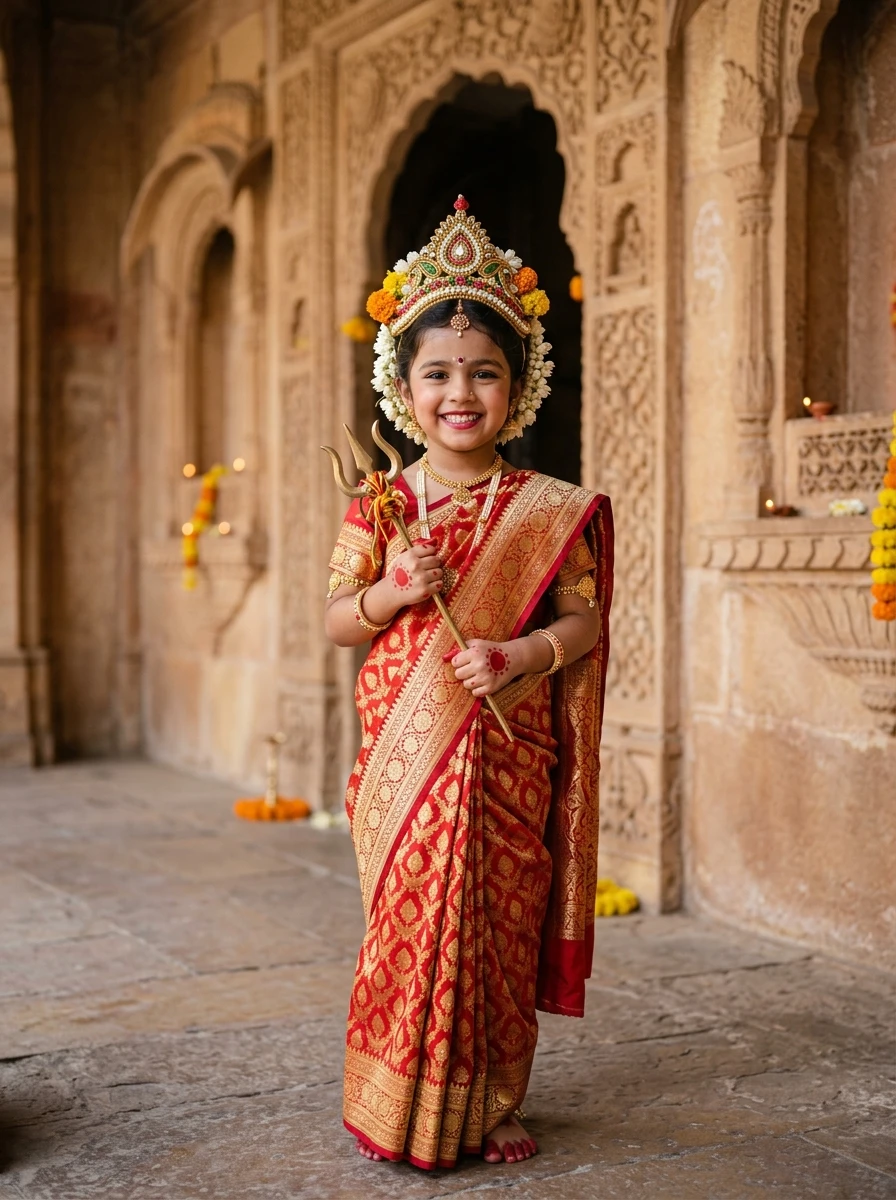
This high-fashion studio prompt creates an exquisite editorial look. A miniature royal Banarasi silk drape and a tiny golden trident give the portrait an unmistakable divine aura while maintaining tender childlike sweetness.
10. Outdoor Courtyard Kanya Pujan in Heritage Haveli
Traditional architectural celebration. Seven young girls in colorful Bandhani lehengas seated around rangoli in a Rajasthan courtyard.
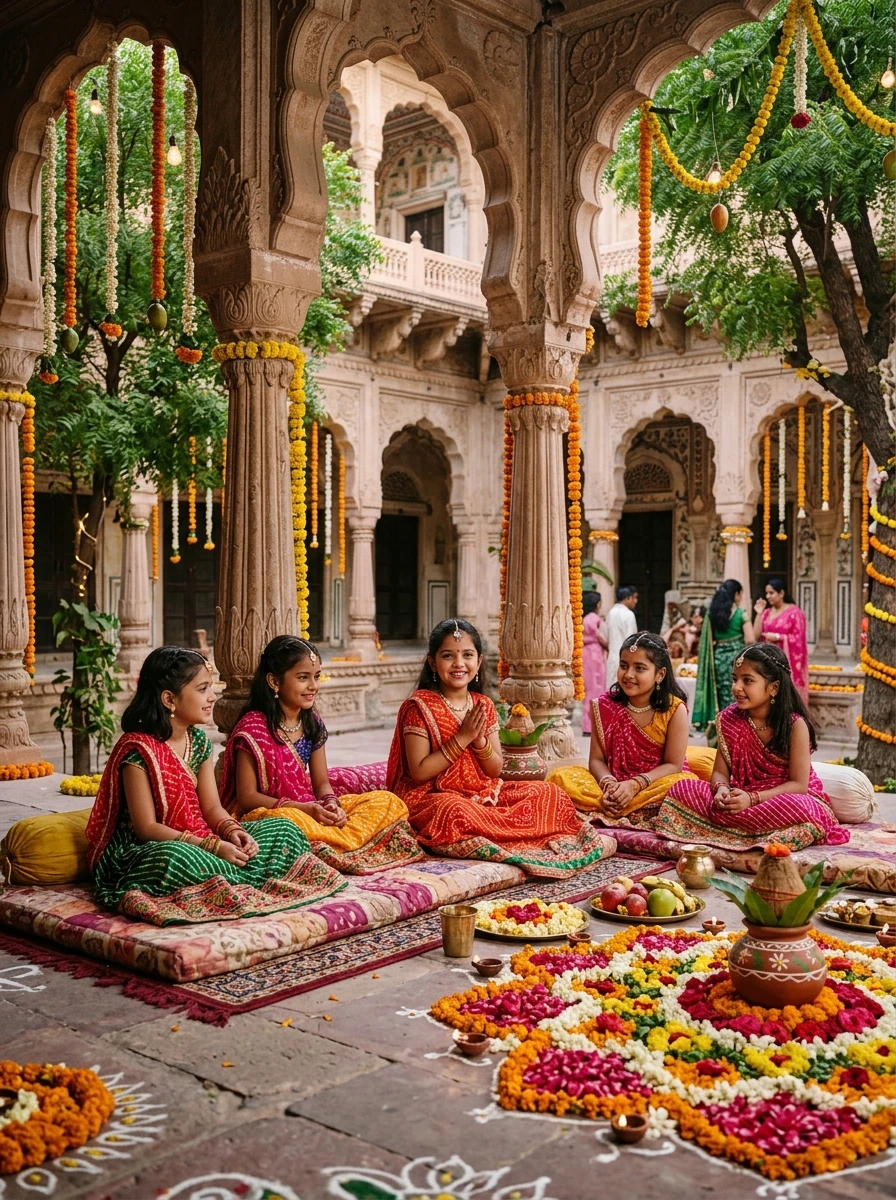
For creators seeking a grand architectural setting, this haveli courtyard setting provides depth with carved stone jali balconies, floral petal rangolis, and natural sunlight filtering through green peepal leaves.
11. Holding Sacred Brass Kalash with Coconut & Mango Leaves
Symbol of auspicious abundance. A young kanjak in silk pavadai gently holding a decorated brass Purna Kalash.
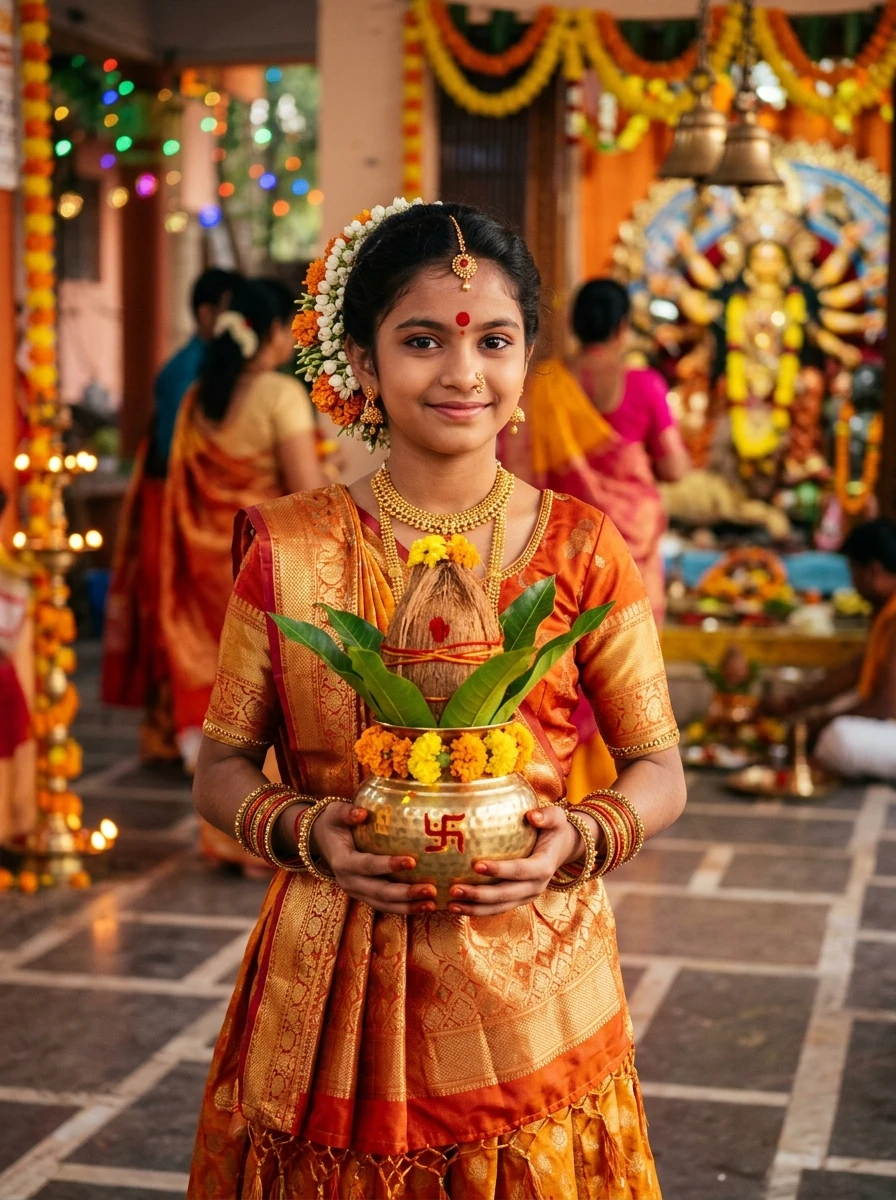
The sacred Kalash with tender mango leaves and a coconut represents auspicious abundance (Purna Kumbha). The prompt renders sharp eye reflections and realistic child hand proportions with soft knuckles.
12. Pure Childhood Joy: Sharing Kanjak Treats & Boondi
Heartwarming childhood bond. Two little best friends giggling together and sharing crispy puris and sweet boondi.
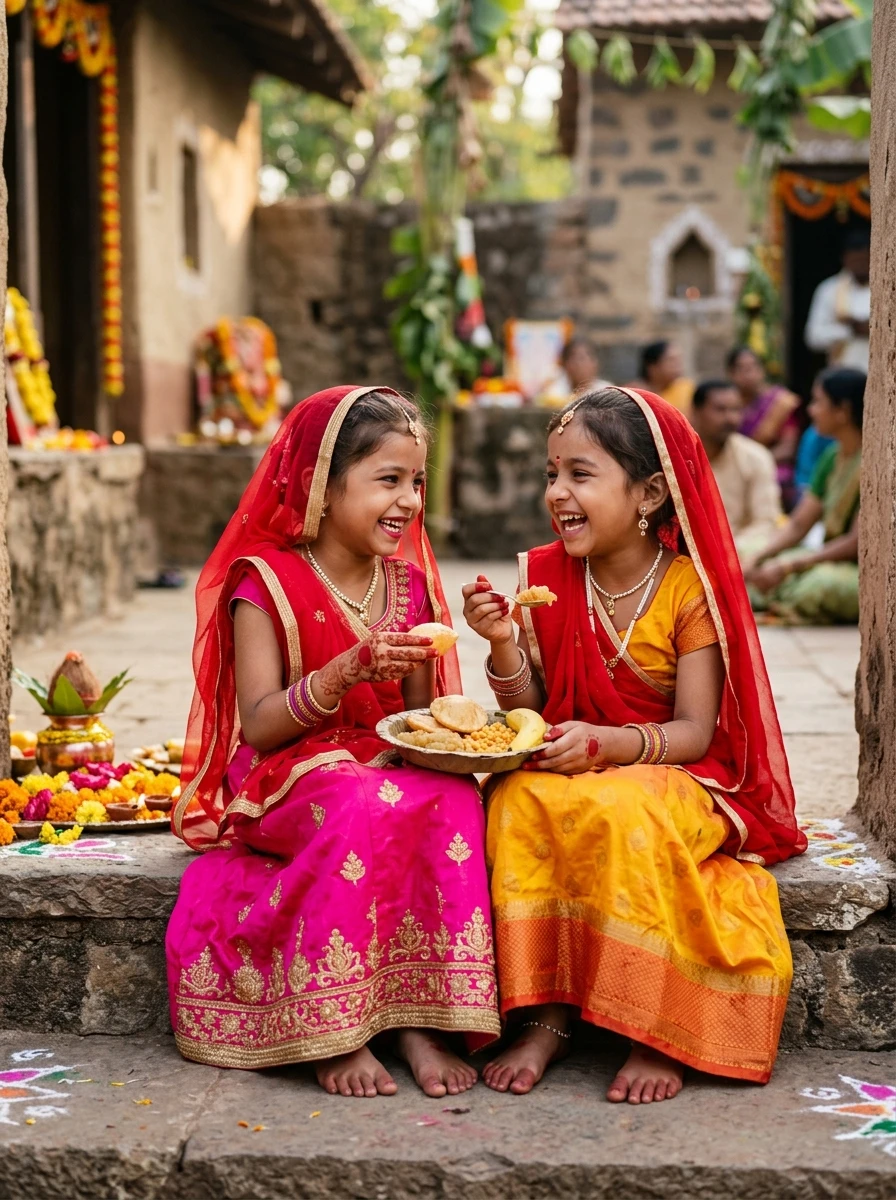
This candid prompt captures genuine childhood laughter and friendship. Leaf dona plates, boondi crumbs, fluttering chunari borders, and spontaneous eye contact produce an authentic, relatable festival portrait that resonates on social media.
Prompt Engineering Secrets for Kanya Pujan & Child Realism
Generating photorealistic child portraits requires careful phrasing to avoid the plastic, airbrushed artificiality common in default text-to-image outputs. When rendering young girls aged 3 to 7 for Durga Ashtami Kanya Pujan, follow these core rules:
- Innocent Facial Dynamics: Always specify "natural child skin texture with soft pores, chubby cheeks, unedited baby skin, and twinkling expressive dark eyes". Avoid generic beauty descriptors like "flawless makeup" or "heavy glam" which trigger adult facial proportions.
- Cultural Prop Specifics: Never just prompt "plate of food". Explicitly state "embossed shining brass thali with steaming fluffy golden puris, dry savory kale chana, and rich ghee sooji halwa with cashews" to generate culturally accurate prasadam.
- Authentic Textile Weaves: Use precise terminology such as "red and gold gota-patti Mata ki chunari", "Banarasi silk lehenga with zari border", and "delicate silver payal anklets". This guides diffusion models toward authentic Indian regional craftsmanship.
- Aspect Ratio Integrity: Maintain vertical 3:4 portrait ratios (--ar 3:4) to give generous breathing room around the head, chunari drape, and seated legs.
Lighting, Aperture & Color Palettes for Festive Portraits
Festive lighting during Navratri combines natural early morning daylight with flickering indoor flames. To replicate professional festival studio portraiture:
- Key Lighting: Diffused morning window sunlight (5500K) softens facial shadows and highlights innocence while keeping skin tones warm.
- Accent Flame Highlights: Flickering brass ghee lamps (diyas) and burning camphor flames (2200K) create rich golden rim reflections along the red silk chunari edges and jewelry.
- Lens & Depth of Field: 85mm f/1.4 prime lens at f/1.8 to f/2.2 isolates the young girl against creamy soft-focus background rangolis and marigold strings without blurring her festive attire.
Model Comparison: Gemini vs FLUX.1 vs Midjourney vs ChatGPT
Different AI models excel at specific facets of Indian religious child photography:
- Google Gemini (Imagen 3): Outstanding comprehension of traditional Hindu rituals like Charan Dhulai and Kanjak Bhog. Produces authentic Indian facial features, warm skin tones, and lifelike childhood smiles.
- FLUX.1 (Dev / Schnell): Industry leader in raw photorealism and micro-textures. Renders delicate gota-kinari borders, powdery red alta, and steam rising from golden puris with unmatched fidelity.
- Midjourney v6.1: Supreme editorial styling, dramatic chiaroscuro candle lighting, and magazine-cover aesthetics. Ideal for artistic close-ups and dramatic ceremonial framing.
- ChatGPT (DALL-E 3): Excellent prompt adherence and safety guardrails, perfect for simple family photoshoot conceptualization and festive greeting card graphics.
Join 15,000+ AI Creators
Get daily viral prompt drops, trending festive styles, and copy-paste prompts before they trend on Instagram.
Frequently Asked Questions (FAQ)
What is the best prompt for Durga Ashtami Kanya Pujan in Google Gemini?
The best prompt describes the sacred Charan Dhulai ritual or Kanjak Bhog with authentic Indian details: specify a 5-year-old girl dressed in scarlet red lehenga with gota-patti chunari, wide brass urli filled with rose-scented water and marigold petals, delicate alta on feet, 85mm f/1.4 lens, warm morning sunlight, and photorealistic skin textures.
Can I replace the face of the Kanya with my daughter's real photo?
Yes. Upload your daughter's clear front-facing portrait to Google Gemini or ChatGPT, then paste our Kanya Pujan photoshoot prompt with instructions: "Maintain the exact facial structure, eye shape, and innocent smile from the uploaded reference photo, but dress her in traditional Durga Ashtami red chunari and lehenga with sacred chandan tilak".
How to make the Halwa Puri and Kale Chana bhog look authentic in AI images?
Include explicit culinary and tableware descriptors: "shining embossed brass thali loaded with steaming golden fluffy puffed puris, dry spiced black chickpeas (kale chana), and glistening rich ghee sooji halwa garnished with slivered cashews and almonds".
Which AI image generator is best for Navratri Kanjak photoshoots?
Google Gemini (Imagen 3) is exceptional for authentic Indian facial features, warm skin tones, and understanding Hindu cultural traditions. FLUX.1 provides unmatched textural realism on fabrics and food, while Midjourney excels at cinematic, high-fashion lighting.
What camera settings should be specified for soft child portraiture in AI prompts?
Use "Canon EOS R5 with 85mm f/1.4 prime lens, 1/250s shutter speed to freeze spontaneous motion, eye-level angle, creamy background bokeh, and diffused morning window light to keep skin tones gentle, glowing, and natural".